Guides
What is gear module and how do you measure it?
Module is the basic figure that defines tooth size. Here is how to work out the module of the gear in your hand with a caliper, step by step.
The most common gear type: teeth parallel to the axis, transmitting motion and power between parallel shafts.
Spur gears transmit rotation and power between two parallel shafts. Because their teeth are cut parallel to the shaft axis, they are the simplest gear type to design and manufacture. Made to the right dimensions, they run with high efficiency and create no axial load.
When two spur gears with different numbers of teeth mesh, the speed and torque ratio changes. That is why they are a basic element of many mechanisms, from gearboxes to tractor transmissions.
The most important dimensions of a spur gear are the module and the number of teeth; for standard gears the outer diameter is calculated from these: outer diameter = module × (number of teeth + 2). A new gear must have the same module and the same pressure angle (usually 20°) as its mating gear.
For gears under high load, alloy or case-hardening steel and heat treatment are preferred. Where loads are low and quiet running is wanted, engineering plastics such as POM can also be used.
Measure the outer diameter and divide it by the number of teeth + 2 to find the approximate module. For example, a gear with 24 teeth and a 52 mm outer diameter has a module of 52 ÷ 26 = 2. If you can't measure it, send a photo or sample and we will determine the module.
No. Gears that mesh must be of the same type. A helical gear needs a mating gear with the same helix angle and the opposite hand. We keep the type of the existing gear in the machine.
Yes. Spur gears can be made from engineering plastics such as POM (acetal) and PA (polyamide) for applications that need quiet, lubrication-free running. Tell us the load and temperature in your request and we will recommend a material.
Yes, there is no minimum order quantity. We also make a single spare gear for a stopped machine; for series orders the unit price usually drops.
Material, heat treatment and tolerances depend on the machine the part runs in. Open your own sector to see the parts we make most often.
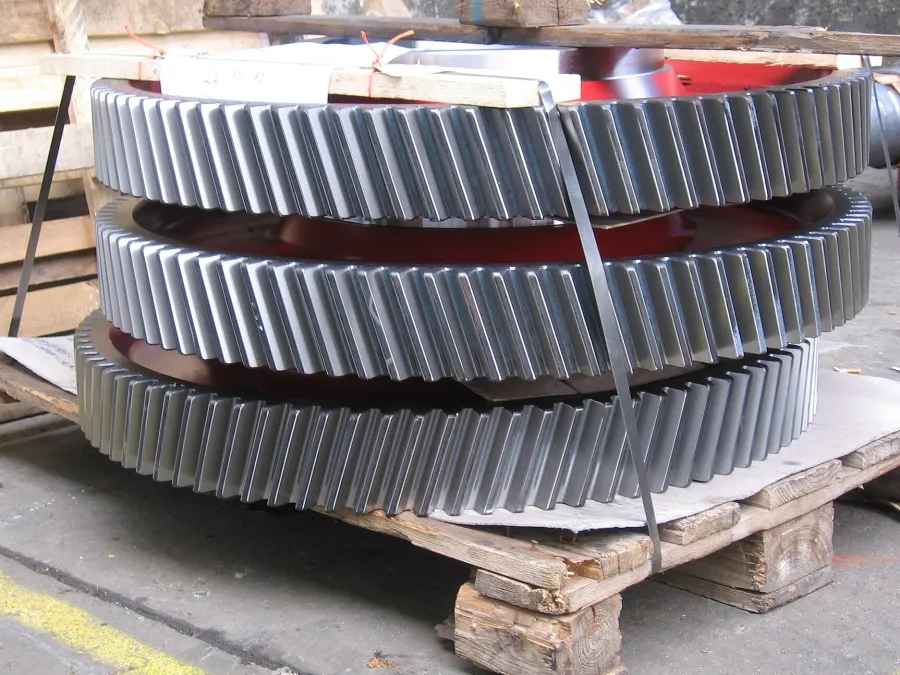
Gears with teeth cut at an angle to the axis, running more quietly and carrying higher loads than spur gears.
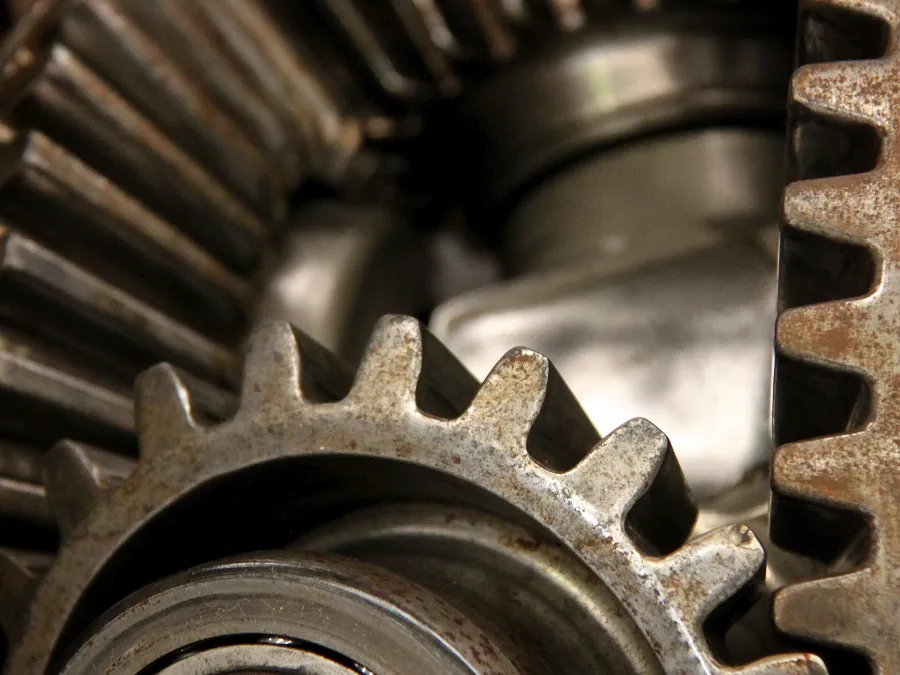
Cone-shaped gears that transmit motion between intersecting shafts, usually at 90°.
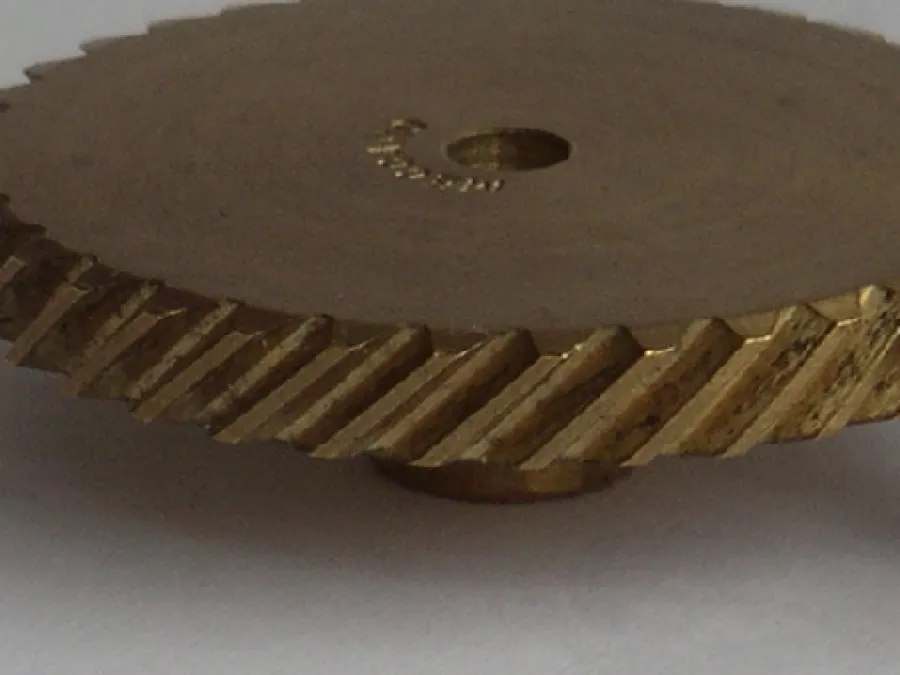
A screw and gear pair that reduces speed at a high ratio in a single stage between non-intersecting, perpendicular shafts.
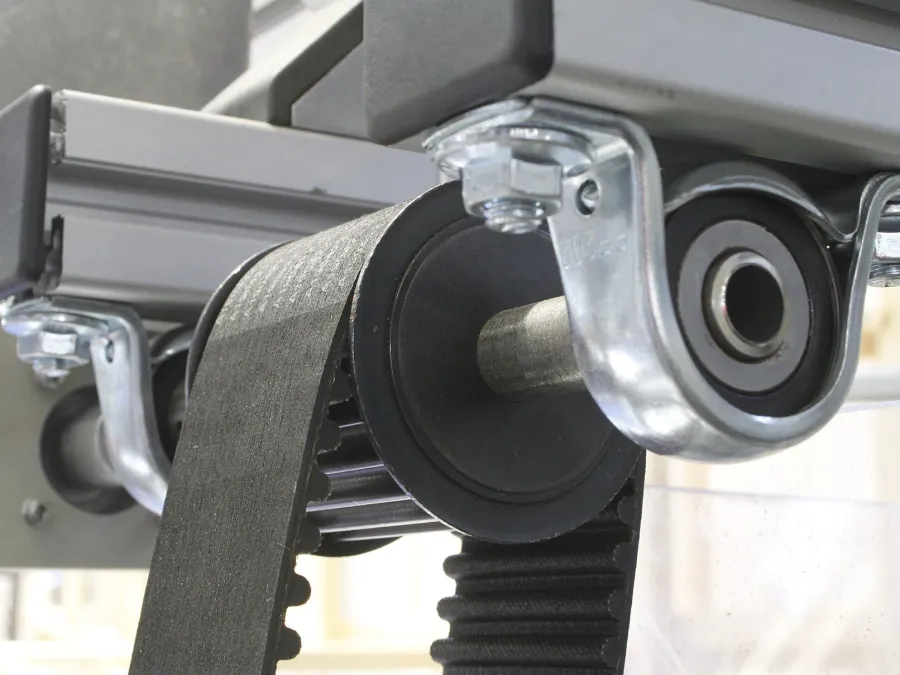
Toothed pulleys that transmit synchronous motion with a toothed belt, without slipping.
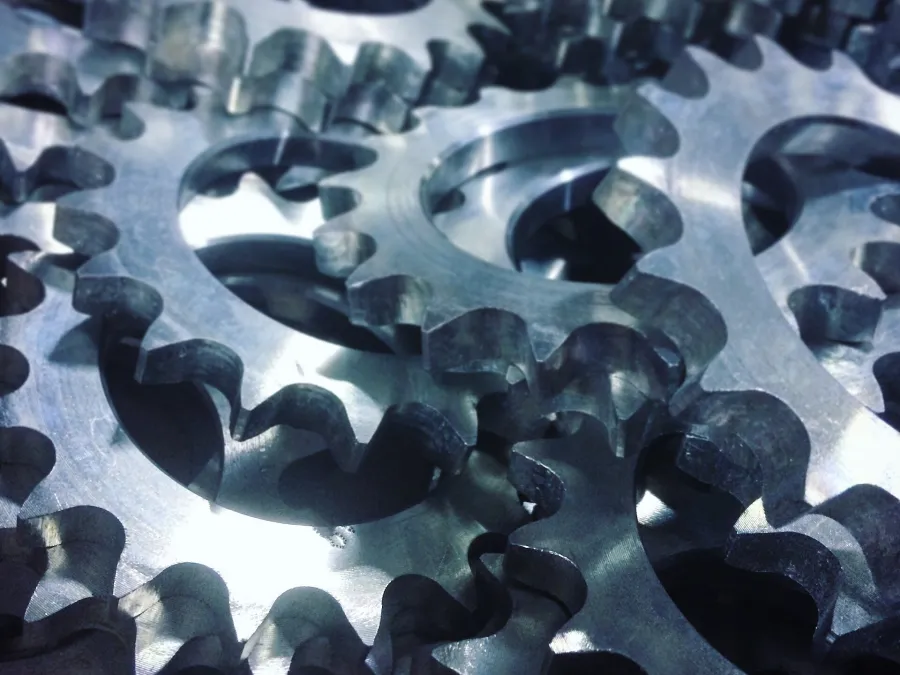
Gears with teeth cut to the chain pitch, transmitting motion and power with a roller chain.
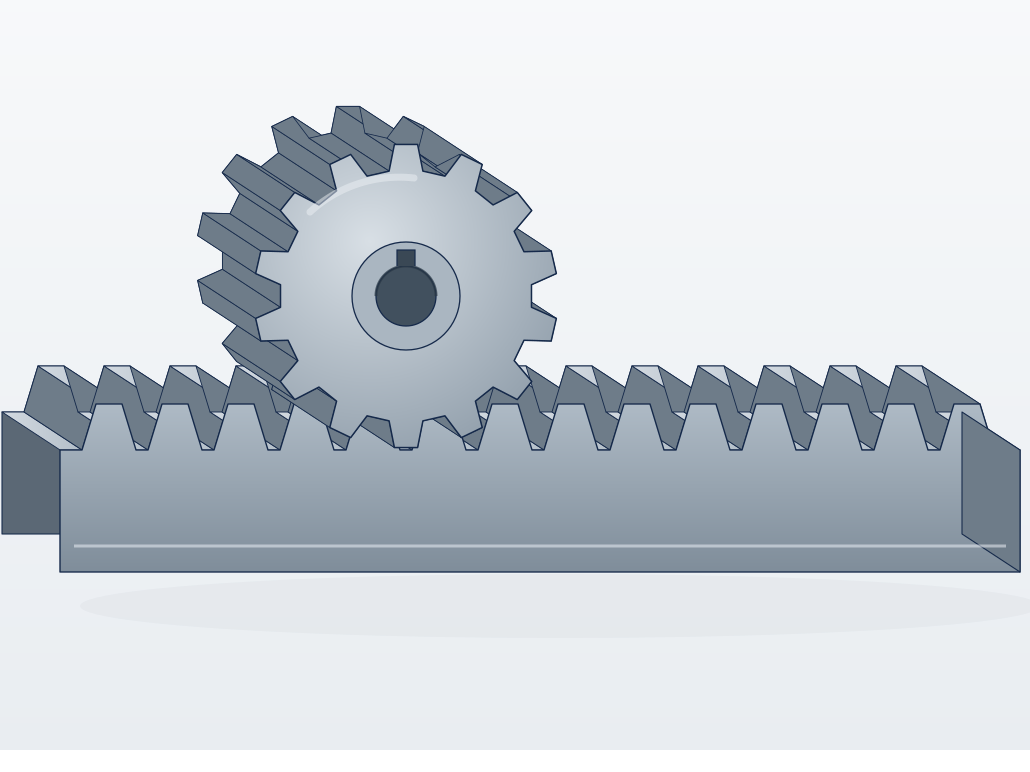
A toothed bar (rack) and pinion gear that convert rotary motion into linear motion.
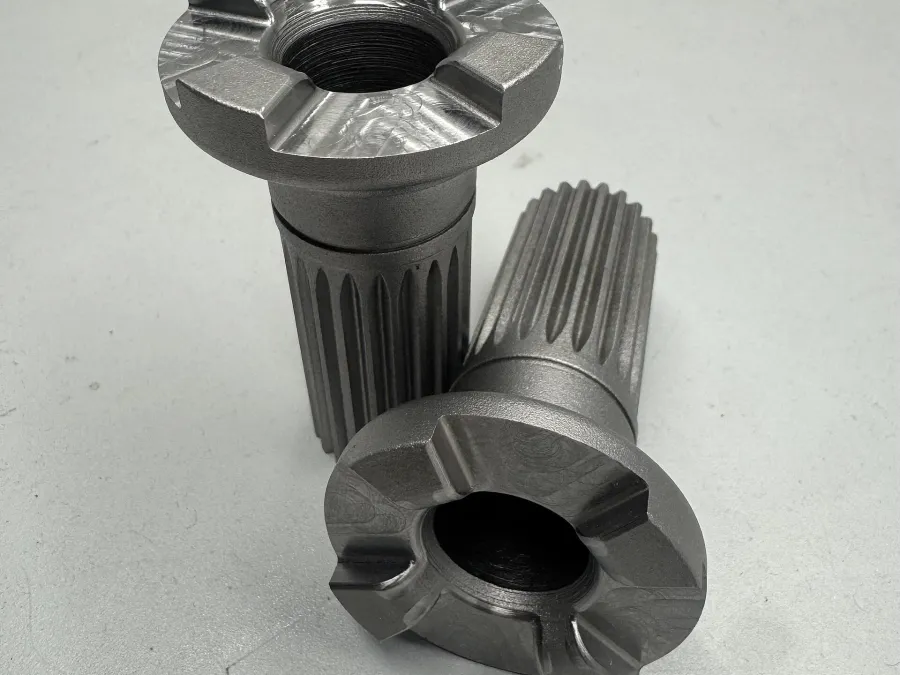
A connecting element that joins two shafts to transmit torque while tolerating misalignment.
Articles on the measurement, material and manufacturing decisions to make before you order.
Guides
Module is the basic figure that defines tooth size. Here is how to work out the module of the gear in your hand with a caliper, step by step.
Guides
From structural steel to bronze, from POM to case-hardening steel: the basic rules for picking a gear material by load, speed and working environment.
Quotes are free. We reply with price and lead time within 24 hours.
Cookies. We use cookies that are necessary for the site to work. With your permission we also use additional cookies to measure visits (analytics) and see the effect of our ads (marketing). Cookie policy